
The New Zealand Commercial Property Market Outlook.
Rates falling, GDP rebounding, yields firming and industrial vacancy near record lows. Download the full report for GDP and rate charts, sector cap rates, vacancy data and the six markets to watch.

Steve Palise, founder of Palise Property · Meet the full team
The mind behind Palise Property
Steve Palise built a property portfolio large enough to leave the workforce before he turned 30. Today he leads Palise Property, a nationwide buyers agency specialising in commercial and residential property investments for clients across Australia and New Zealand.
Before property, Steve was a chartered mechanical and structural design engineer. That analytical mindset now drives every acquisition: property is a numbers game, and the maths has to stack up before a recommendation is made.
Steve has secured 2,000+ properties for clients in every Australian capital city and all major regional towns, and is a recognised industry educator with FREE property courses, books, a podcast, videos, tools and calculators available to the public.
7 reasons New Zealand stands out
And those differences are significant. Here's what's driving investor confidence right now, at a glance.
- 1
No stamp duty
NZ has no stamp duty on commercial property. On a $2M purchase that's roughly $95k–$110k of Aussie cost simply not there, capital that goes straight into the asset instead.
- 2
No land tax
No annual state land tax bill dragging on portfolio yields. You pay council rates and that's the holding cost.
- 3
No broad capital gains tax
For long-term commercial holds outside the bright-line rules, there is no general CGT regime, keeping more of the upside on exit.
- 4
Rates cut 300bps and easing further
The RBNZ has taken the Official Cash Rate from 5.50% to 2.50% since Aug 2024. Cheaper debt lifts serviceability and asset values in the same move.
- 5
GDP has turned positive again
Annual GDP growth is back at +0.8% and Treasury forecasts a lift toward 3.2% by 2027/28. Occupier demand improves with the cycle.
- 6
Industrial vacancy near record lows
Auckland prime industrial vacancy is around 1.1%. CBRE projects 3–4% annual rent growth in industrial through 2026–2027.
- 7
Less institutional competition
Fewer super-funds and REITs crowding sub-$5M assets means better buying for private investors and a genuine chance to secure quality stock.
A market turning the corner
After a deep reset, GDP is rebounding, the RBNZ has cut 300bps and total returns have swung from 3.5% to 9.7%.
An economy turning the corner
After a sharp tightening cycle, growth is broadening again, and the forecasts strengthen from here.
Annual GDP growth
From trough to positive, seasonally adjusted (Stats NZ)
Real GDP growth forecast
Treasury Budget Update, annual average
Total returns rebounding fast
Commercial total returns lifted from 3.5% in 2024 to 9.7% in 2025, with CBRE forecasting double-digit returns in 2026 as rents and yields both contribute. Moving early in the cycle is where the value sits.
The drivers behind the opportunity
Rates easing
OCR cut 300bps since Aug 2024
Cycle turning
GDP annual growth, back in positive territory
No stamp duty
vs ~$95k–$110k on a $2M AU purchase
No land tax
council rates only, no portfolio drag
No broad CGT
on long-term commercial holds
Lighter competition
institutional bidders than AU metros
Rates easing
OCR cut 300bps since Aug 2024
Cycle turning
GDP annual growth, back in positive territory
No stamp duty
vs ~$95k–$110k on a $2M AU purchase
No land tax
council rates only, no portfolio drag
No broad CGT
on long-term commercial holds
Lighter competition
institutional bidders than AU metros
Super-prime industrial cap rates
Across the Tasman, New Zealand's major markets sit right alongside Australia's, with room for yields to firm as the cycle matures.
Super-prime industrial, indicative. Source: CBRE Research.
Industrial vacancy near record lows
A genuine undersupply of modern warehousing, with no near-term pipeline large enough to correct it. CBRE projects industrial rents to grow 3–4% a year through 2026–2027.
Forecast annual rent growth
Median industrial returns
Industrial vacancy rate
Lower is tighter. Source: CBRE Research.
Six cities, one thesis
Auckland, Wellington, Christchurch, Queenstown, Tauranga and Hamilton, the markets where the fundamentals stack up right now.
Where the fundamentals are strongest

Auckland
The economic engine. Deepest liquidity, tightest industrial precincts (East Tamaki, Wiri, Manukau).

Christchurch
Affordability-led migration, rebuild maturing, land at a fraction of Auckland pricing.
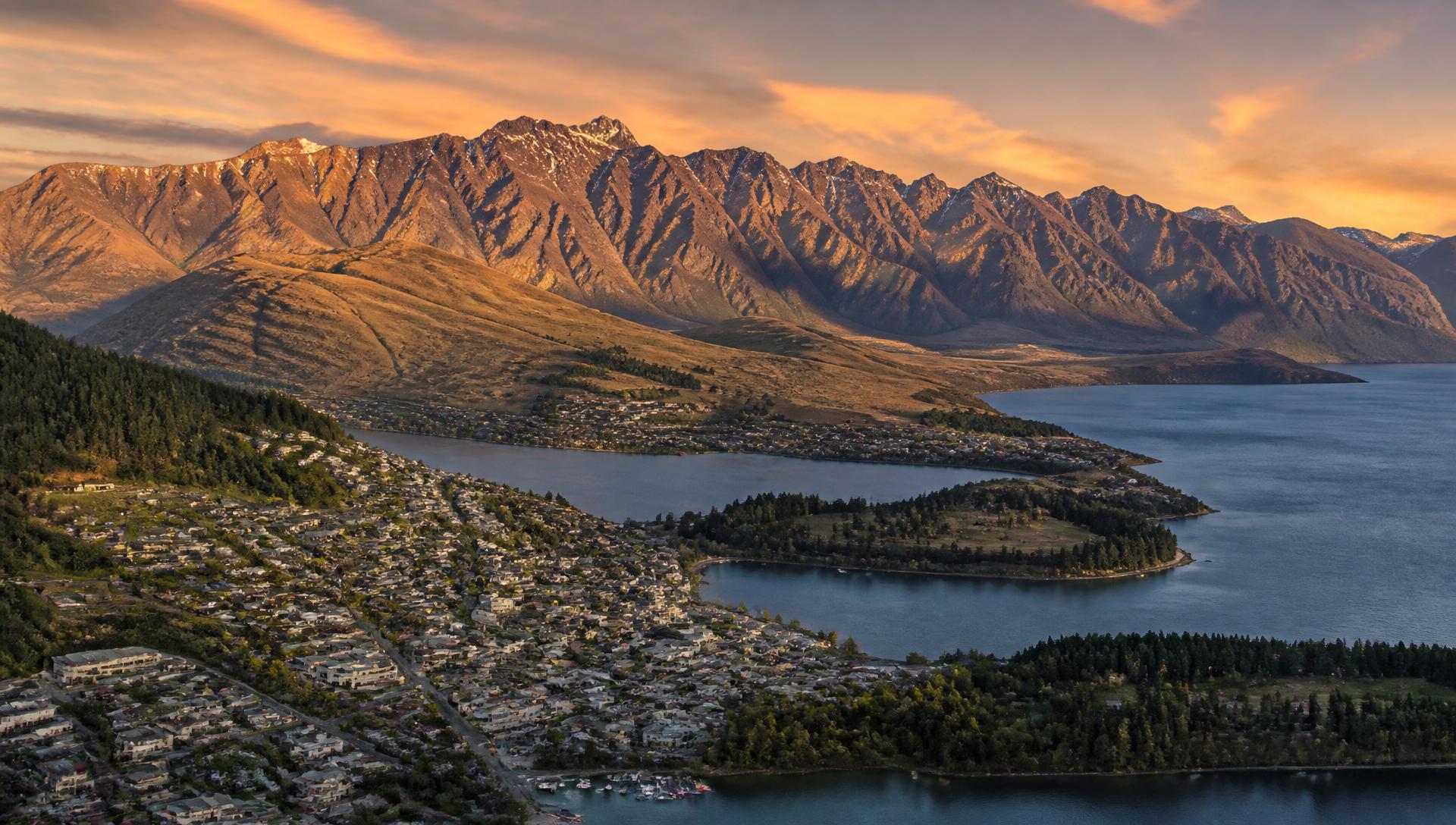
Queenstown
Wealth, tourism and a $3–4B infrastructure programme in a supply-constrained market.

Tauranga
Structural logistics demand, strong population growth, limited A-grade industrial supply.
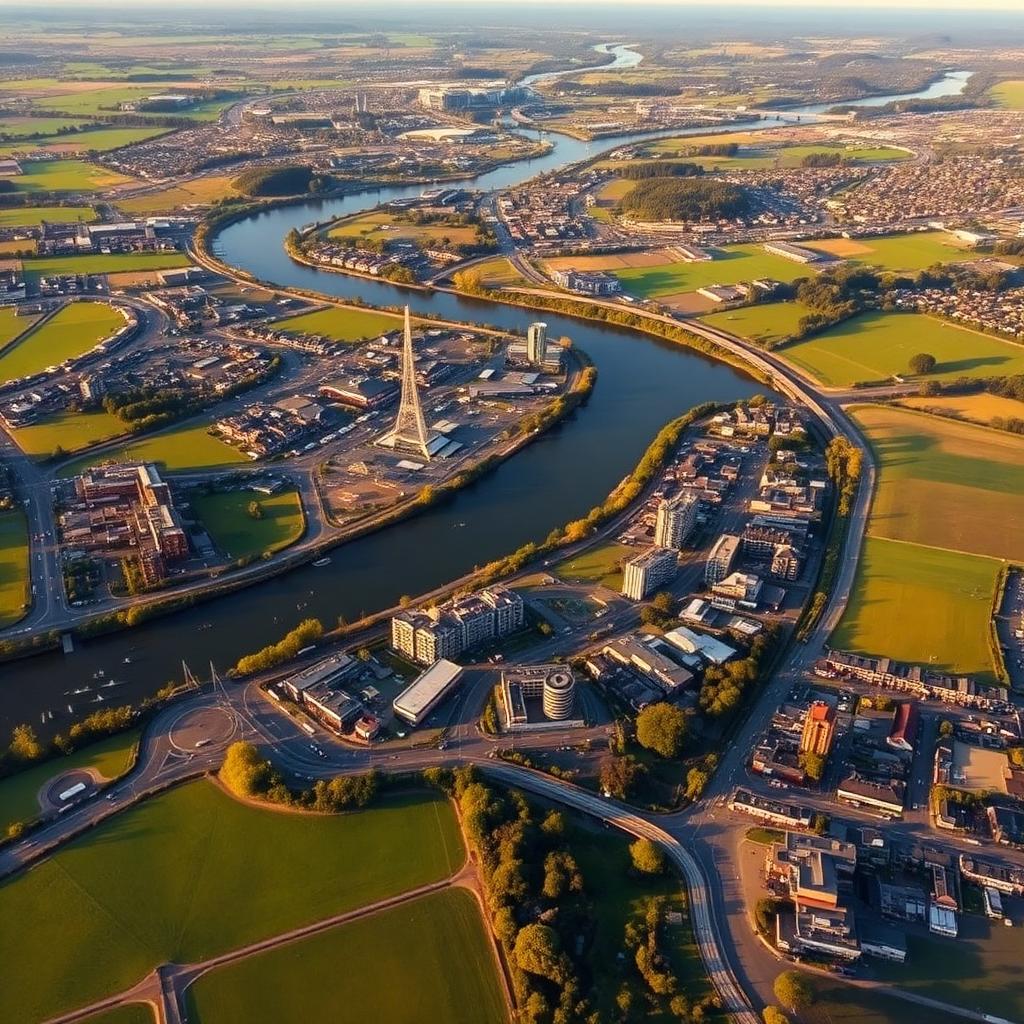
Hamilton
Steady occupier demand and little institutional competition for well-leased stock.

Wellington
Selective value in prime retail and industrial; higher yields reflect a repricing market.
Auckland
The economic engine. Deepest liquidity, tightest industrial precincts (East Tamaki, Wiri, Manukau).
Christchurch
Affordability-led migration, rebuild maturing, land at a fraction of Auckland pricing.
Queenstown
Wealth, tourism and a $3–4B infrastructure programme in a supply-constrained market.
Tauranga
Structural logistics demand, strong population growth, limited A-grade industrial supply.
Hamilton
Steady occupier demand and little institutional competition for well-leased stock.
Wellington
Selective value in prime retail and industrial; higher yields reflect a repricing market.
Get the full 2026–2027 outlook
Enter your details and the report downloads straight away. We'll also email you a copy so it's easy to find later. A visual, data-led snapshot of where New Zealand commercial property is heading.
- Economy & OCR: GDP recovery and 300bps of rate cuts
- Total returns: 3.5% → 9.7% → ~12% forecast
- Super-prime industrial cap rates across NZ & AU
- Industrial vacancy near record lows, by city
- The six NZ markets with the strongest fundamentals
Download the report
Free PDF · instant download + emailed copy